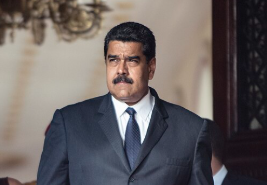
Russia’s demands for the immediate release of captured Venezuelan President Nicolás Maduro have created a direct confrontation with the United States over the Saturday military operation. Moscow’s characterization of the action as an unacceptable sovereignty violation adds another dimension to already strained relations between the two nuclear powers.
The Russian foreign ministry’s strong condemnation reflects Moscow’s broader concerns about American unilateralism and military interventions. Russia has consistently positioned itself as a defender of sovereignty principles and opponent of regime change operations, particularly those targeting governments with which it maintains relationships.
The Venezuelan crisis could become a focal point for Russian criticism of American foreign policy in multilateral forums, including potential UN Security Council debates. Moscow’s demand for release of the captured leaders creates a clear position from which to oppose American actions and rally support from nations concerned about sovereignty violations.
US Attorney General Pam Bondi has announced that Maduro and his wife Cilia Flores will face drug trafficking charges in New York, with Secretary of State Marco Rubio confirming the charges relate to narcotics operations. President Trump stated the couple is currently aboard a ship being transported to the United States for prosecution.
The international response has been characterized by widespread condemnation, with UN Secretary General António Guterres warning of dangerous precedents. China has joined Russia in expressing shock at the use of force against a sovereign nation’s president, creating a united front among major powers opposing the American intervention. Latin American responses have divided along ideological lines, with Colombia mobilizing its armed forces in anticipation of refugee flows.