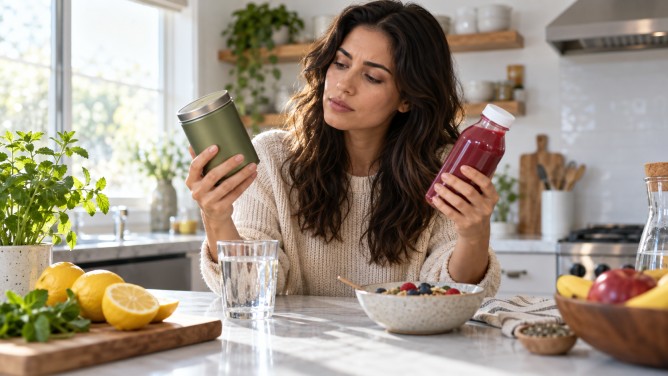
As wellness trends gain popularity online, consumers are advised to approach some practices with caution. While these routines often promise benefits like improved digestion, glowing skin, and increased energy, their effectiveness and safety may vary. Trends such as oil pulling, detox teas, and high-dose supplements can sometimes be misleading, particularly when social media removes the context of traditional practices and encourages unsupervised experimentation.
Oil pulling, for example, involves swishing oil in the mouth to potentially improve gum health. However, evidence supporting its dental benefits is limited, and excessive force can strain jaw muscles. Similarly, detox teas are marketed for weight loss and digestion but often contain laxatives that can lead to dehydration and electrolyte imbalances if used without medical advice.
Another trend, intensive home panchakarma cleanses inspired by Ayurveda, may involve risky practices like prolonged fasting and unsupervised enemas. These can lead to dehydration and inadequate nutrition, underscoring the need for professional guidance before undertaking such regimens. The body’s liver and kidneys naturally handle waste elimination, reducing the necessity for extreme cleanses.
Additionally, forcing excessive water intake in the morning can result in hyponatremia, a dangerous condition caused by diluted sodium levels in the blood. Fluid needs should be tailored to individual circumstances like diet and climate, rather than following rigid challenges.
When it comes to skincare, aggressive dry brushing can damage the skin’s protective barrier, and high-dose herbal supplements may interact with medications or cause side effects. Turmeric and ashwagandha, though popular, have potential risks that should be discussed with healthcare professionals.
The trend of adding large amounts of ghee to drinks for weight loss lacks scientific support and can increase calorie intake, potentially affecting cholesterol management. A balanced diet and sustainable lifestyle choices are recommended over reliance on single ingredients for health improvements.
While traditional wellness practices may hold cultural significance, they should not replace necessary medical care. Consumers are encouraged to seek professional advice when trying new health trends, especially if they have existing health conditions. Sustainable habits, including balanced nutrition and regular exercise, offer more reliable benefits for long-term well-being.