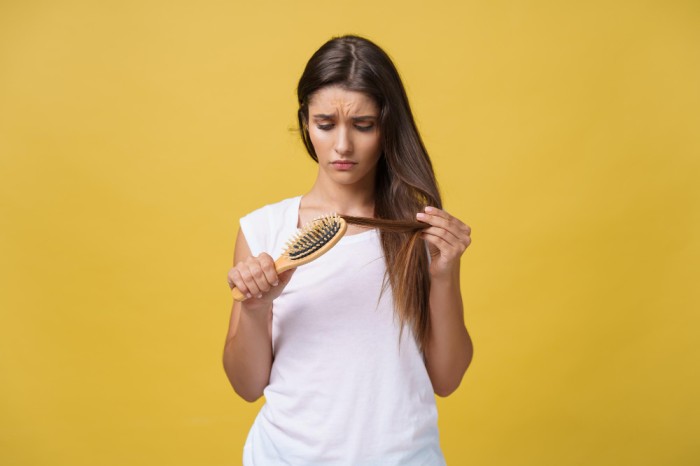
Amid growing concerns about hair loss among young adults and professionals, experts are drawing attention to the major causes and differences between stress-related and hormonal hair loss. While it’s normal to lose some hair daily, persistent or noticeable thinning could indicate deeper health issues. Stress-related hair fall, known medically as telogen effluvium, is often triggered by physical or emotional stress such as illness, surgery, or emotional trauma. These stressors can push hair follicles into a resting phase prematurely, resulting in sudden and widespread hair shedding. Unlike hormonal hair loss, this condition typically begins two to three months after a stressful event and is often temporary, improving once the underlying stress is managed.
In contrast, hormonal hair loss tends to develop gradually, worsening over time. This type of hair loss is linked to hormonal changes due to conditions like PCOS, thyroid imbalances, menopause, pregnancy, or genetic factors. For men, androgenetic alopecia, or male-pattern baldness, is a common concern. Unlike the even shedding seen in stress-related hair loss, hormonal hair loss follows a distinct pattern. Women may notice their hair parting widening or thinning around the crown, while men often experience receding hairlines or thinning on the scalp’s top.
Identifying the type of hair loss is crucial for appropriate treatment. Stress-related hair fall is characterized by sudden, excessive shedding and is often accompanied by a recent history of stress or illness. On the other hand, hormonal hair loss is marked by slow, progressive thinning, reduced hair density, and sometimes additional symptoms like acne or menstrual irregularities. A family history of hair loss can also be a telling factor.
Medical professionals caution against self-diagnosing or relying solely on internet remedies without professional consultation. Hair loss can stem from various causes, including vitamin deficiencies, thyroid issues, or hormonal imbalances. Early diagnosis through a thorough examination of the scalp, a medical history review, and blood tests is recommended. While stress-related hair fall can be managed through lifestyle changes and stress reduction, hormonal hair loss often requires long-term medical intervention and monitoring.
Specialists stress the importance of understanding the underlying cause of hair loss to preserve hair health and enhance treatment outcomes. By identifying the root cause early, individuals can take steps to mitigate further hair loss and improve their overall hair condition.