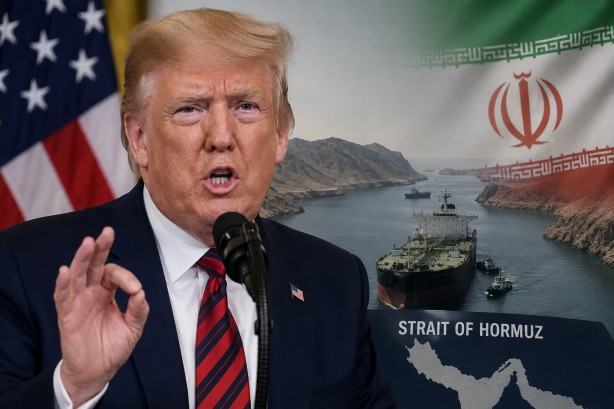
Iran has issued a stern warning to Gulf states, indicating that any fresh United States military attack on its soil would provoke retaliatory actions targeting crucial energy infrastructure throughout the Gulf region. This cautionary message emerges from discussions involving Iranian Foreign Minister Abbas Araqchi and senior officials from Saudi Arabia, Qatar, Turkey, and Pakistan. During these dialogues, Iran emphasized its intent to strike U.S. assets and pivotal energy facilities across the area if aggression against its territory ensues.
The warning surfaces in the aftermath of U.S. President Donald Trump’s recent declaration, which threatened to focus on Iran’s energy infrastructure. Iran, while reiterating its preference for diplomatic solutions, has underscored its readiness to respond forcefully should it come under attack. This stance is causing ripples of concern, as the prospect of such hostilities could lead to significant disruptions in Gulf energy supplies and heighten regional instability.
Saudi Arabia, in particular, has been vocal in advocating for a move towards negotiations, urging the U.S. to avoid actions that could escalate tensions further. Simultaneously, Saudi officials have conveyed their determination to defend their territory if confronted with any Iranian aggression. The region remains on high alert, with the specter of conflict posing a tangible threat to global energy markets.
The potential for Iran to target oil facilities, refineries, power grids, and other critical infrastructure has been explicitly highlighted in its warning. This includes not only oil fields but also water infrastructure and transport networks, underscoring the comprehensive nature of the threat. As regional leaders continue to engage in diplomatic efforts, the focus remains on averting a broader conflict that could have far-reaching implications for international energy stability.