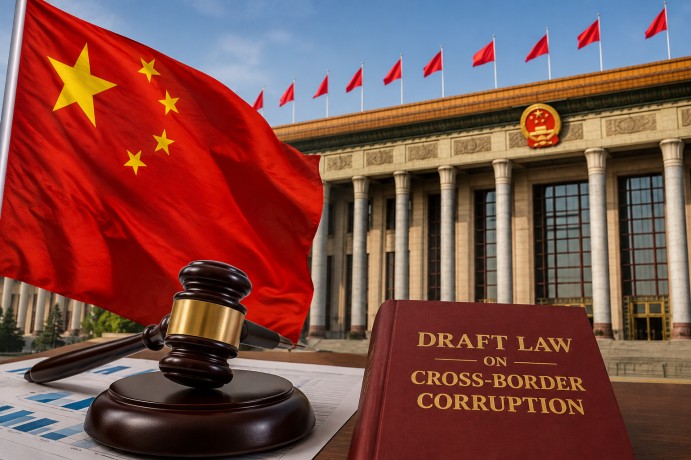
China is actively advancing its legislative measures against cross-border corruption as the National People’s Congress Standing Committee prepares to review a significant draft law in its upcoming session, scheduled from August 25 to 28. This proposed legislation is a key component in bolstering China’s anti-corruption strategies, aimed at expanding international collaboration to track down and apprehend corrupt officials and fugitives who have fled overseas. Recognized as a critical legislative project, this law is prioritized for the current term of the NPC and is also earmarked as a legislative priority for the year 2026.
In recent years, China has heightened its efforts to bring back individuals accused of corruption who have sought refuge in other countries. Notably, in 2025, the nation’s leading anti-corruption agency successfully repatriated 963 fugitives implicated in corrupt practices. This intensified focus reflects China’s unwavering commitment to addressing corruption and ensuring that those involved are held accountable, regardless of where they have escaped to.
The session will not be limited to anti-corruption measures alone; lawmakers are also set to deliberate on various other legislative drafts and amendments. These include significant areas such as healthcare security, farmland protection, agriculture, national defense mobilization, banking regulation, water management, and road traffic safety. The breadth of topics underscores the government’s comprehensive approach to addressing key national issues through legislative means.
This legislative push aligns with China’s broader strategic objectives and demonstrates a proactive stance in strengthening its legal framework across multiple sectors. By tackling corruption and enhancing regulatory measures in essential areas, China aims to establish a robust governance model that supports sustainable development and national security.