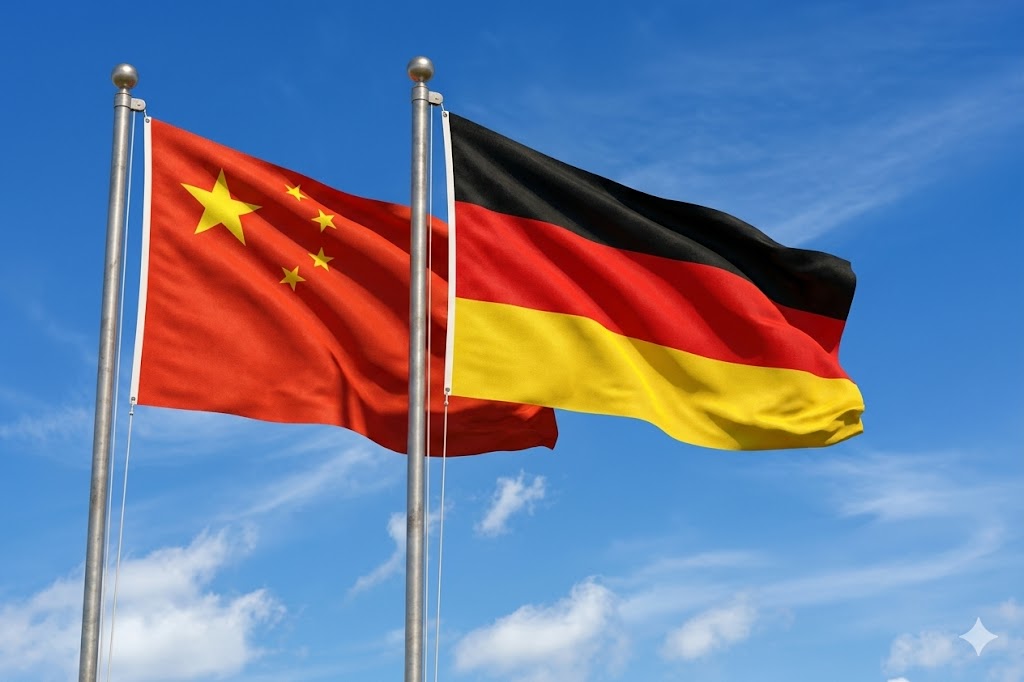
In a recent development highlighting the strengthening of bilateral business and technology ties, China and Germany are increasingly seeing expertise and innovation flow both ways, rather than predominantly from Germany to China. This insight comes from a joint research report unveiled during the China-Germany (China-Europe) Hidden Champions Forum 2026, hosted in Beijing’s Shunyi district. The event gathered more than 400 business leaders and representatives from Europe and China, underscoring the significance of these cooperative efforts.
According to the research findings, a significant number of European companies are planning to expand their operations in China. Notably, 38 percent of the surveyed European firms expressed intentions to boost their research and development investments in the Chinese market. Additionally, 40 percent of these companies aim to grant their Chinese branches more operational autonomy, reducing reliance on their German headquarters.
In parallel, major Chinese electric vehicle manufacturers such as Li Auto and NIO have set up research and design centers in Germany. This move signifies an increasing trend of two-way technological collaboration between the two nations, showcasing the mutual benefits of these partnerships.
The forum also saw the launch of a public service station aimed at assisting businesses with technical trade barriers. Furthermore, a new partnership initiative was introduced to encourage German and European firms to engage with Beijing’s economic and technological cooperation zone in Shunyi, fostering deeper economic ties.
Tang Wenhong remarked on Beijing’s plans to further bolster the cooperation between Chinese and German enterprises. The focus is on attracting more innovative companies, which is expected to enhance Beijing’s standing as an international hub for science and technology.